




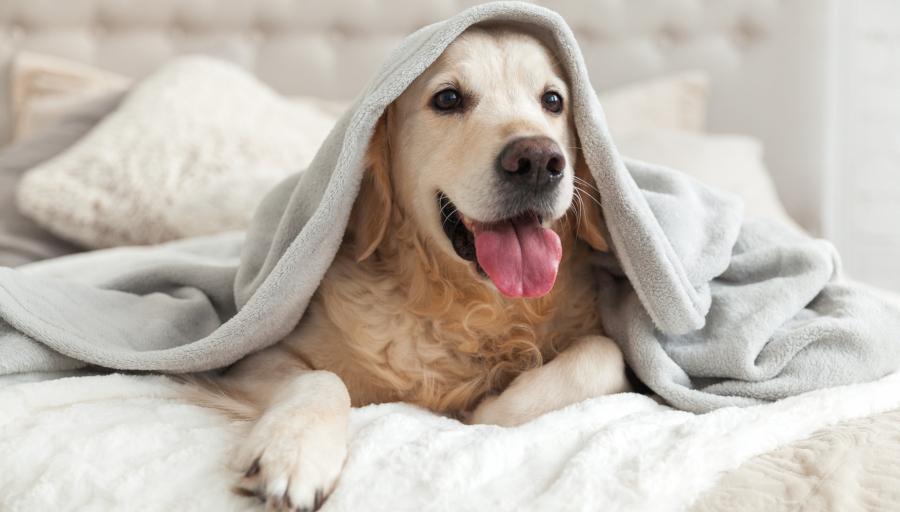
Pet-friendly travel is no longer a niche consideration for hotels. For a growing number of guests, particularly in the UK, pets are part of the holiday decision-making process from the very beginning.
According to research, 60% of British households now own at least one pet, representing approximately 17.2 million homes and over 36 million animals. Dogs alone account for an estimated 13.5 million.
For many guests, pets are not an afterthought. They are part of the household and, increasingly, part of the booking decision. Research shows that 95% of UK pet owners consider their animals part of the family, while more than half say they care more about their pet’s welfare than their own.
This emotional connection is already influencing travel demand. A 2024 study by the University of Surrey estimates the dog-friendly travel sector will be worth almost £40 billion by 2030.
For UK hoteliers, this is a mainstream demand signal with clear commercial potential. The opportunity lies in making pet-friendly stays visible, easy to book and compelling enough to drive guests through the direct channel.
Understand the scale of the opportunity
Demand for pet-friendly stays is already translating into measurable booking behaviour. UK-based dog-friendly accommodation platform Paws & Stay has seen bookings surge by 125% since 2023, while Haven, which operates 38 holiday parks across the UK, recorded a 15% rise in demand for pet-friendly breaks over the same period.
For instance, at The Rabbit Hotel & Retreat, demand for dog-friendly stays continues to grow as more guests seek destinations where their dogs are as welcome as they are. The hotel has found that promoting its dog-friendly offering is increasingly important, as guests are actively looking for destinations that genuinely cater for dogs rather than simply permit them.
This demand is also visible in search behaviour. Travellers are actively using terms such as “dog-friendly hotels UK”, “pet-friendly breaks” and location-specific pet-friendly queries when researching stays. These are high-intent searches from guests who often know exactly what they need and are looking for a property that can meet it.
For hoteliers, the commercial value lies in being visible at that moment of intent — with clear content, relevant packages and a direct booking journey that makes the next step simple.
Make your pet-friendly offer easy to find
Many hotels already allow pets but fail to communicate the offer clearly enough online. A brief mention in the terms and conditions, or a small note hidden within a room description, is unlikely to capture high-intent traffic.
A stronger approach is to create dedicated content that answers the questions pet owners are already asking. This should include the hotel’s pet policy, any restrictions, what is included in a pet-friendly stay, nearby walking routes, local cafés or attractions that welcome dogs and clear information on how to book.
This content should also be easy to access from the homepage and booking journey. A visible homepage banner, clear navigation label or dedicated landing page can help guests quickly understand that the hotel is a suitable option for them.
For independent hotels in particular, this type of clarity can be a competitive advantage. When guests are comparing multiple properties, the hotel that provides the clearest information often feels like the safest and easiest choice.
Build packages that add genuine value
Allowing pets is one thing. Creating a considered pet-friendly experience is another.
The most effective packages go beyond permission and focus on convenience, reassurance and added value. This could include a pet bed, water bowl, treats, a welcome note, suggested walking routes and recommendations for nearby dog-friendly venues.
Hotels may also consider optional add-ons such as late checkout, pet-friendly dining areas, local grooming partnerships or vouchers for independent pet shops. These touches help position the experience as thoughtful rather than transactional.
From a direct booking perspective, packaging is especially important. A well-structured pet-friendly package gives guests a clear reason to book directly rather than through an OTA. It also gives hotels an opportunity to increase booking value while strengthening the guest relationship before arrival.
Use local insight to strengthen content
Pet-friendly guests are often looking for more than a room. They want to understand how easy the full trip will be.
This makes local content highly valuable. Hotels can build destination guides around dog-friendly walks, beaches, parks, pubs, cafés and attractions. These guides support organic visibility while also helping guests picture the experience more clearly.
The same content can be adapted across multiple channels, including blog posts, email campaigns, landing pages and social media. A hotel does not need to produce large volumes of content to make an impact. The priority should be creating useful, specific content that reflects real guest questions and supports booking decisions.
This is where a strategic content approach becomes commercially valuable. The content is not simply there to inspire. It should help move guests from research to direct booking.
Use social media to show the experience
Pet-friendly travel is naturally suited to social media. Content featuring pets often feels highly shareable and relatable, making it a strong fit for organic channels.
Hotels can use social content to show how pet-friendly stays work in practice. This might include behind-the-scenes room preparation, team members welcoming pets on arrival, walking routes from the hotel, or guest-generated content featuring previous four-legged visitors.
A genuine element can make this content even more effective. Florence, The Rabbit Hotel & Retreat’s resident canine ambassador, helps reinforce the hotel’s dog-friendly identity while adding to its welcoming atmosphere. A recognisable presence like Florence can also bring more personality to social content and demonstrate that dogs are genuinely part of the guest experience.
This can be particularly effective around key calendar moments. Awareness days such as Take Your Dog to Work Day can provide a timely reason to showcase the hotel’s personality, team and pet-friendly credentials.
The most effective social content should feel authentic. Guests want to see evidence that pets are genuinely welcome, not simply tolerated. When executed well, this type of content can help build trust before a guest reaches the booking engine.
Support organic activity with targeted paid campaigns
Organic activity builds awareness over time, but paid campaigns can help hotels reach relevant audiences more quickly.
Pet-friendly campaigns can perform particularly well when the creative is clear and emotionally engaging. Images or short videos of pets enjoying the property, exploring the grounds or relaxing in-room can quickly communicate the offer and capture attention.
Targeting should focus on key feeder markets and relevant audience interests, but the campaign should always lead to a strong direct booking experience. Sending users to a generic homepage can weaken performance. A dedicated pet-friendly landing page or package page will usually provide a clearer route to conversion.
The goal is to connect demand with a direct booking path that feels simple, trustworthy and easy to complete.
Protect margin by owning the booking journey
The commercial opportunity in pet-friendly travel is not only about attracting more guests. It is about capturing that demand through the hotel’s own digital ecosystem.
When guests book directly, hotels can protect margin, improve communication, encourage pre-arrival upsells and build longer-term guest relationships. This is particularly important for pet-friendly guests, who may become repeat visitors once they find a property that suits their needs.
A strong direct booking journey should make the full experience clear from the start. Guests should be able to understand the offer, select the right package, add relevant extras and complete the booking without needing to call or email for basic information.
Small points of friction can easily push guests back to OTAs or competitor properties. Removing those barriers is key.
Convert pet-friendly demand into direct revenue
Pet-friendly travel should not be treated as a short-term trend or a simple facilities update. It is part of a broader shift in how guests research, plan and choose accommodation.
Hotels that approach it strategically can strengthen visibility, improve positioning and create new revenue opportunities. That means aligning the offer across website content, SEO, booking engine setup, social media, paid campaigns and pre-arrival communication.
At Net Affinity, we work with hoteliers to ensure every element of the digital booking journey supports stronger direct revenue performance. For hotels with the right facilities and audience fit, pet-friendly travel can become a valuable part of that strategy.
The demand is already there. The opportunity for hoteliers is to make their offer visible, easy to book and commercially effective.
Contact details
Sharon Power-Cowley 01 293 9906 sharon@netaffinity.comWeb www.netaffinity.com
 ©2026 Irish Hotels Federation
 13 Northbrook Road, Dublin 6, D06 PK18, Ireland Tel: 01 497 6459 | E-mail: info@ihf.ie